
Chicago Market Intelligence
Multifamily intelligence for 5–100 unit buildings across Chicago’s most fragmented submarkets.
Chicago is Korra’s primary market — defined by fragmented ownership, long hold periods, and extreme neighborhood-level pricing divergence.
Korra helps you identify undervalued buildings, ownership transitions, and operational inefficiencies before spending hours underwriting.
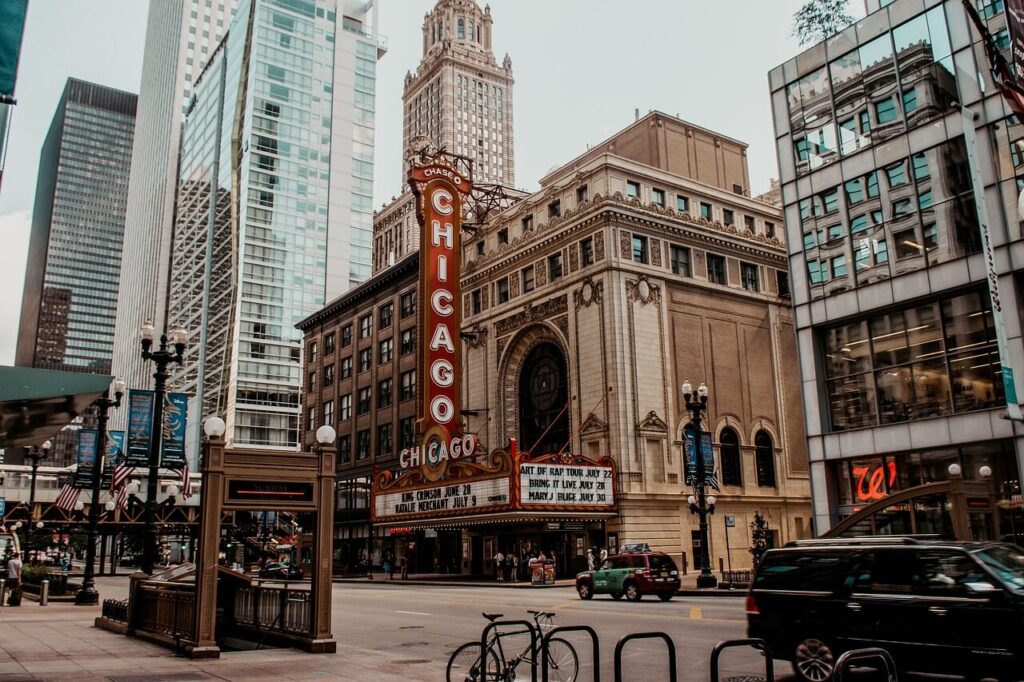
Why Chicago Matters
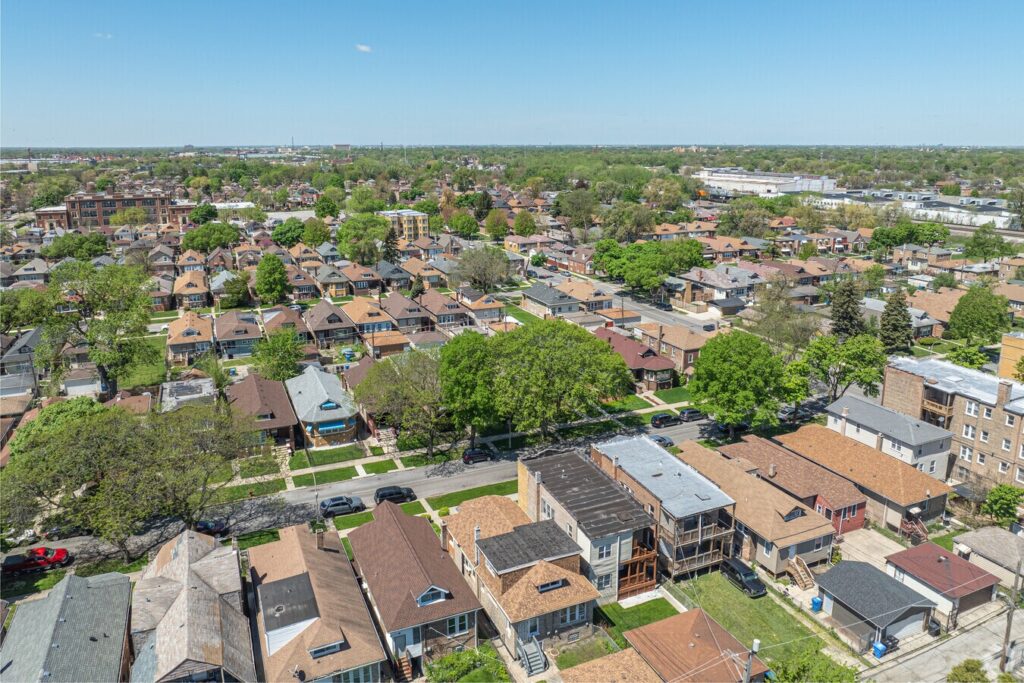
Chicago is one of the most opportunity-rich multifamily markets in the United States — not because of citywide growth, but because of hyperlocal inefficiency.
You do not invest in “Chicago.”
You invest in blocks, corridors, and submarkets.
Fragmented Ownership
Long-term individual ownership (20–40+ years common)
Hyperlocal Pricing
Same building type → drastically different value by neighborhood
Dense 5–100 Unit Inventory
High concentration of mid-market multifamily assets
Value-Add Opportunity
Renovation gaps and operational inefficiencies are common
Low Institutional Penetration
Many submarkets remain under-institutionalized
Deal quality in Chicago is determined at the submarket level — not the city level.
Explore Chicago Submarkets
Each submarket contains property-level intelligence, Korra Scores, and ownership signals.

South Shore
Lakefront multifamily corridor with strong value-add and rent growth potential.
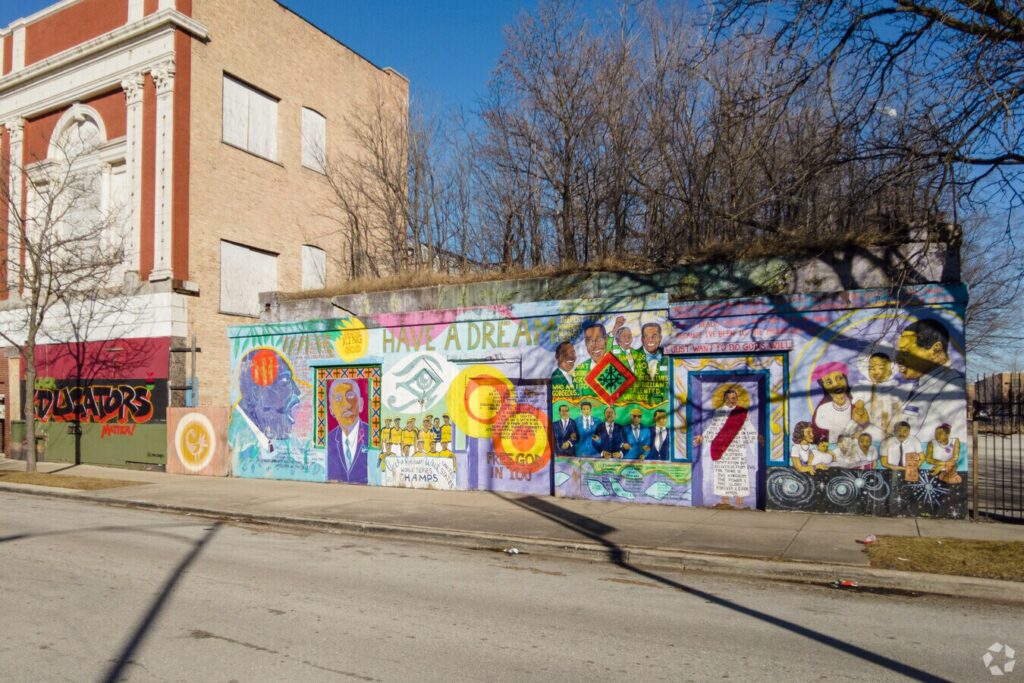
Bronzeville
Rapidly evolving submarket with redevelopment momentum and increasing investor activity.
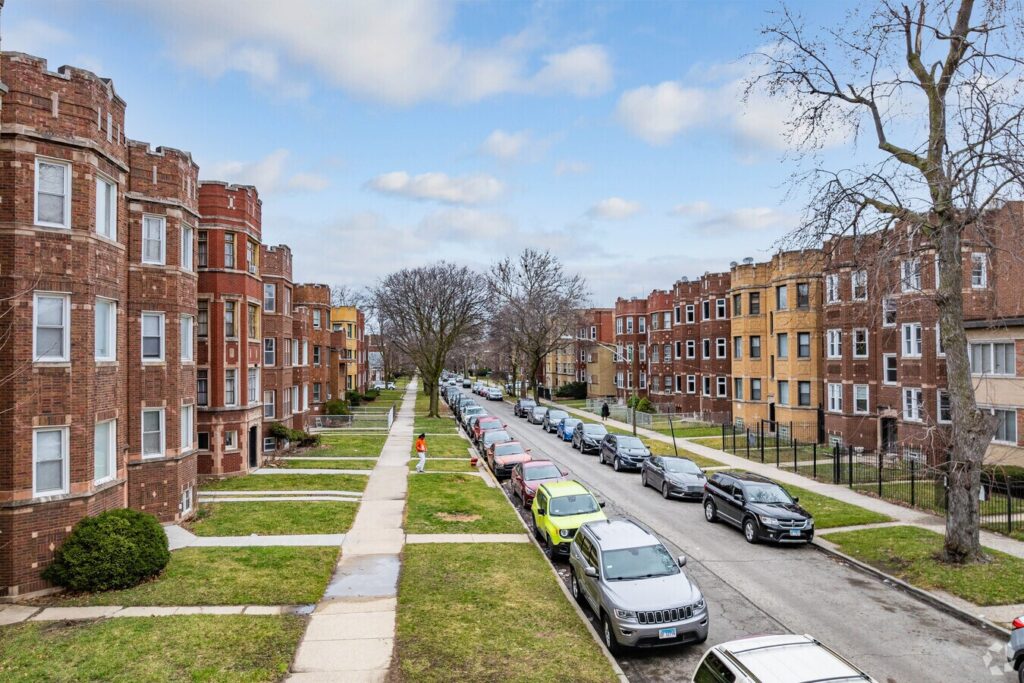
Chatham
Stable residential submarket with long-term ownership and consistent rental demand.
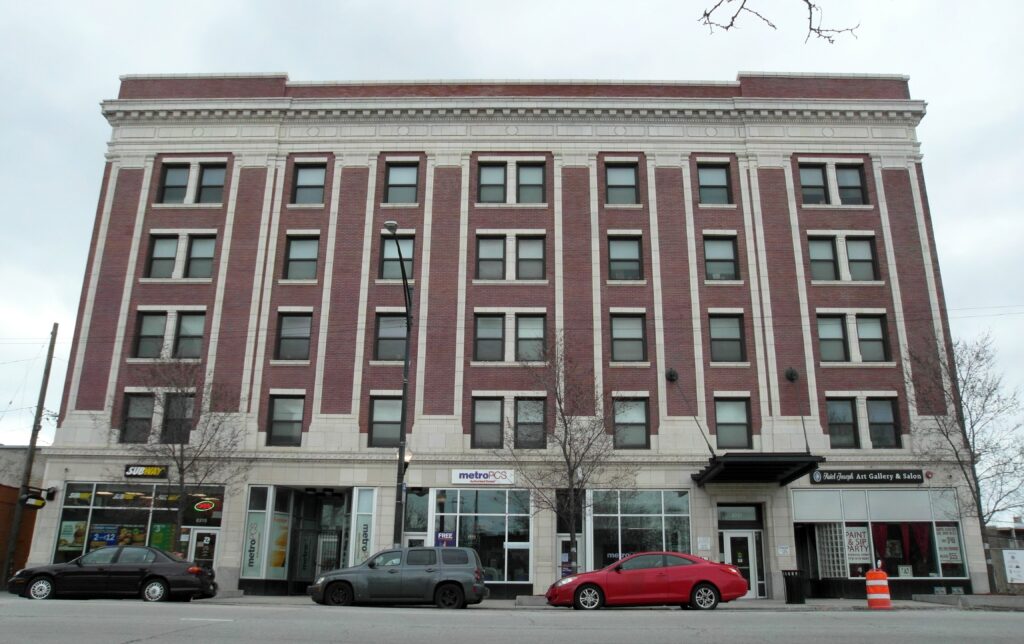
Woodlawn
High-growth corridor driven by institutional investment and infrastructure expansion.

Washington Park
Emerging submarket with improving connectivity and early-stage value signals.
Auburn Gresham
Cash-flow driven multifamily market with operational upside opportunities.
How Korra Evaluates Chicago Properties
Every property and submarket is evaluated using a consistent intelligence framework:

Property-Level Intelligence
– Korra Score (risk-adjusted property rating)
– Price per unit vs submarket baseline
– Ownership tenure & transition signals
– Rent gap opportunity
– Tax & insurance pressure
– Crime / landlord-friendliness index
– Permit & violation history (when available)
Submarket-Level Intelligence
– Korra Score distribution across neighborhood
– Rent growth trends
– Transaction velocity
– Ownership turnover rates
– Distress vs opportunity signals
– Development and permitting activity
How Investors Use Chicago Intelligence
Most users follow this simple workflow:
01
Choose a Submarket
Start with neighborhoods like South Shore or Bronzeville
02
Review Ranked Properties
See buildings sorted by Korra Score and risk signals
03
Identify Opportunities
Spot undervalued or mismanaged assets
04
Open Property Snapshot
View ownership, risks, and market context
05
Analyze or Request Diligence
Move from screening → underwriting → validation
Chicago Multifamily Intelligence Coverage
1,284
Properties Indexed
742
Scored Multifamily Assets
18
Submarkets Tracked
27 yrs
Avg Ownership Tenure
$142K
Avg Price / Unit
83
High Opportunity Properties Identified
Start Exploring Chicago Intelligence
Begin with a submarket, open a property snapshot, and identify opportunities in minutes.