
New York City Multifamily Market Intelligence
Multifamily intelligence for 5–100 unit buildings across New York City’s five boroughs.
New York City is one of the most complex multifamily investment markets in the country. Property values, operating economics, ownership structures, and regulatory exposure can vary dramatically between neighborhoods, building types, and even individual properties.
Korra helps investors identify undervalued buildings, ownership transitions, and operational inefficiencies by connecting property records, market activity, and building-level intelligence.

Why New York City Matters
New York City is one of the most diverse and information-intensive multifamily markets in the United States. Its investment opportunities are shaped not just by location, but by the underlying characteristics of individual buildings.
You do not invest in “New York City.”
You invest in neighborhoods, blocks, building types, and individual operating profiles.
Fragmented Ownership
Thousands of independently owned multifamily properties, family-held portfolios, and closely held LLCs create opportunities to understand ownership history and identify potential transition.
Hyperlocal Pricing
Property values and investment economics vary significantly across boroughs, neighborhoods, and building characteristics. Citywide averages rarely explain individual deal quality.
Dense Small-Building Inventory
A substantial stock of walk-up apartments, mixed-use buildings, and smaller multifamily properties creates a market that requires building-level analysis.
Regulatory Complexity
Rent stabilization, housing violations, building compliance, tax classifications, and regulatory agreements can materially affect achievable income, operating costs, and property value.
Operational Inefficiency
Aging building systems, deferred maintenance, uneven management, and differences in operating performance create opportunities for investors who can identify the underlying issues.
In New York City, understanding the building is just as important as understanding the neighborhood.
Explore New York City Submarkets
Each submarket offers a different combination of property types, ownership structures, operating economics, and investment characteristics.

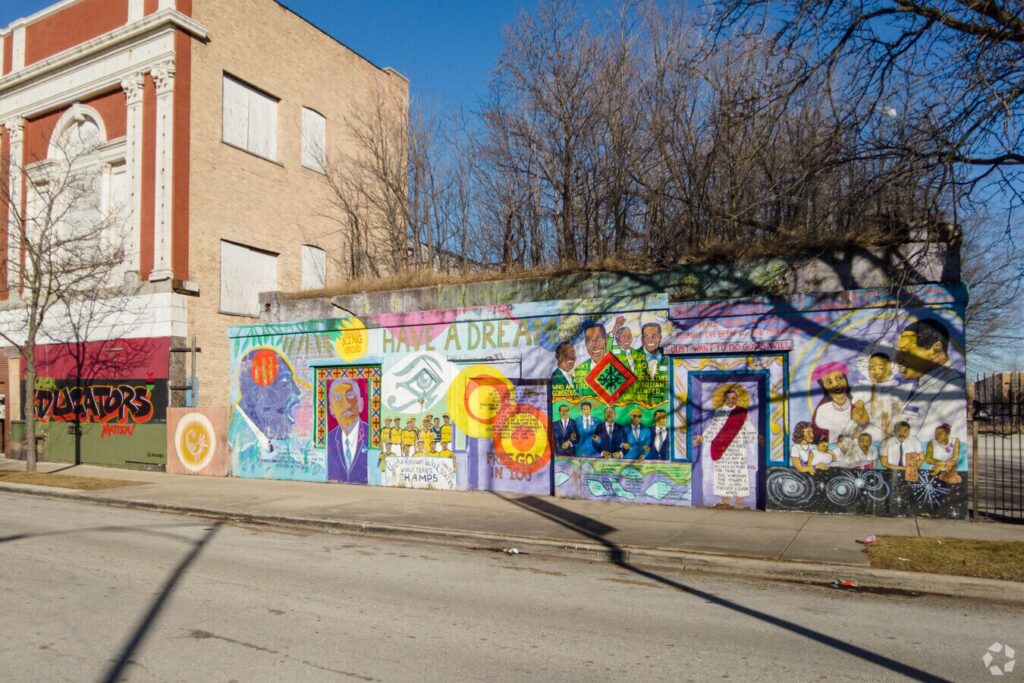
Harlem
Established multifamily neighborhood with historic housing stock, mixed building conditions, and significant variation in property values and rental economics.
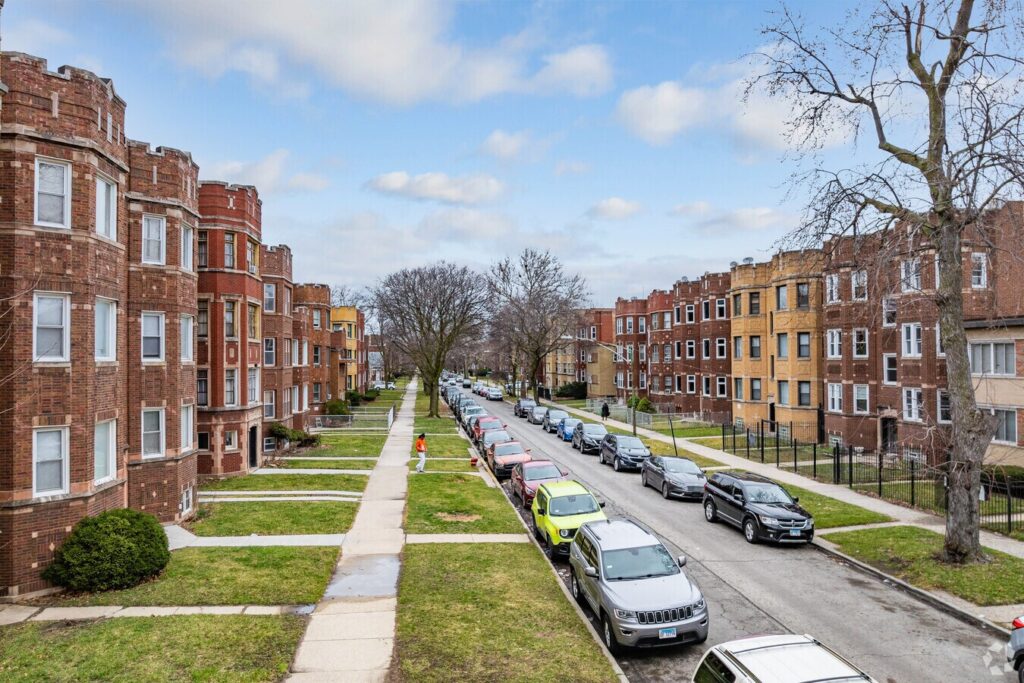
Washington Heights
Dense residential neighborhood with substantial prewar multifamily inventory, established rental demand, and a diverse mix of independently owned properties.
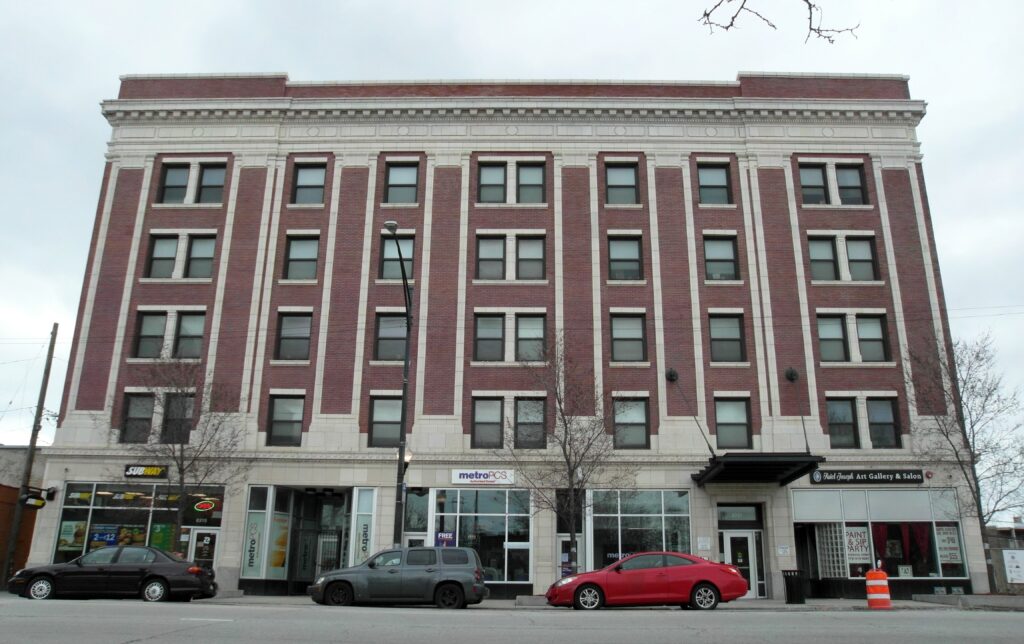
Crown Heights
Established Brooklyn multifamily market with extensive walk-up housing stock, mixed ownership structures, and neighborhood-level pricing differences.
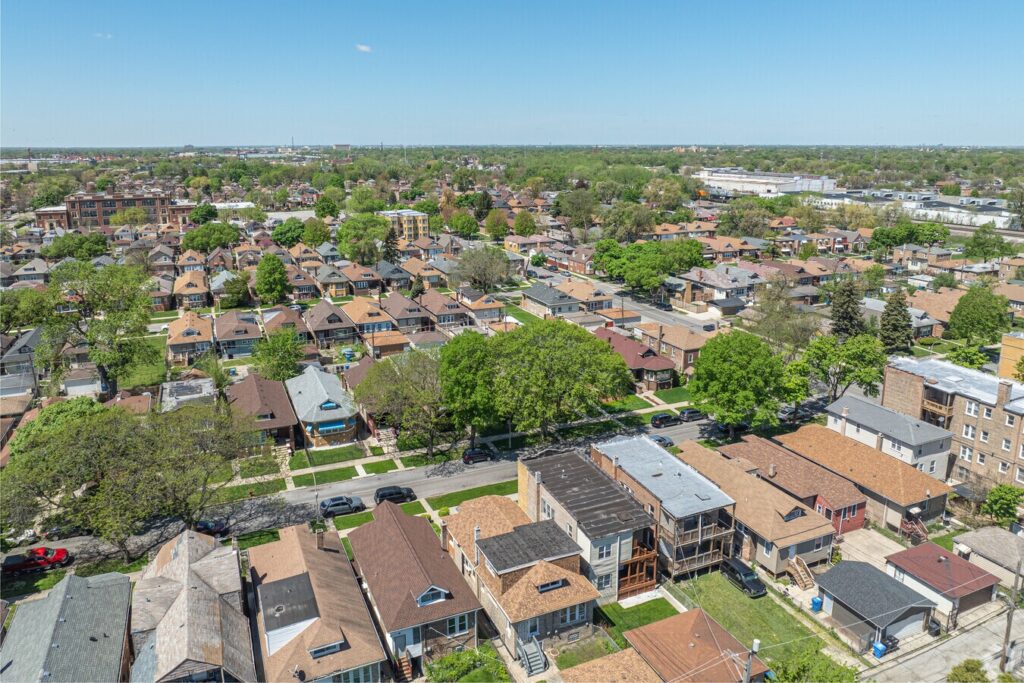
Flatbush
Large residential submarket with substantial small and mid-sized multifamily inventory, long-term ownership, and opportunities for operational improvement.

Bushwick
Evolving Brooklyn neighborhood with a mix of older multifamily buildings, mixed-use properties, and changing investment dynamics.
Astoria
Established Queens rental market with a diverse mix of multifamily housing, neighborhood retail, and independently owned residential buildings.
How Korra Evaluates New York City Properties
Every property and submarket is evaluated using a consistent intelligence framework, connecting public records, property characteristics, ownership history, and market activity.

Property-Level Intelligence
– Korra Score (risk-adjusted property rating)
– Price per unit vs. neighborhood baseline
– Ownership tenure and potential transition signals
– Rent and income opportunity
– Tax and insurance pressure
– Building violations and compliance history
– Permit, renovation, and construction history
– Recorded mortgages, assignments, releases, and other ownership-related documents
– Transaction history and comparable property activity
Submarket-Level Intelligence
– Korra Score distribution across neighborhood
– Property pricing and price-per-unit trends
– Transaction volume and velocity
– Ownership turnover and holding periods
– Property condition and regulatory risk signals
– Rental market characteristics
– Development and permitting activity
– Distress and potential investment opportunities
How Investors Use New York City Intelligence
Most users follow this simple workflow:
01
Choose a Submarket
Start with neighborhoods like Harlem, Crown Heights, Flatbush, or Astoria.
02
Review Ranked Properties
Explore multifamily buildings evaluated against neighborhood benchmarks and property-level risk signals.
03
Identify Opportunities
Find potential mispricing, long-held ownership, regulatory exposure, and operational inefficiencies.
04
Open Property Snapshot
Review ownership, recorded transactions, building history, available financial information, and market context.
05
Analyze or Request Diligence
Move from initial screening to underwriting, document review, and property-level validation.
New York City Multifamily Market Context
$8.91B
2025 Multifamily Sales Volume
1,188
2025 Multifamily Transactions
944K+
Rent-Stabilized Apartments
5
Boroughs With Distinct Investment Markets
Boroughs With Distinct Investment Markets
Market context, not Korra platform coverage metrics.
Start Exploring New York City Intelligence
Start with a neighborhood, open a property snapshot, and understand the ownership, operating, and market characteristics behind an investment opportunity.
Korra brings fragmented property information together to help investors make better-informed decisions before they commit time and capital.